
Something remarkable is happening in the Catholic Church in Norway.
While the country remains one of the most secular in the world, a growing number of young people — especially teenagers and young men from Generation Z — are showing a clear and increasing interest in Catholicism. The Church is not standing still. It is responding.
The Church takes action
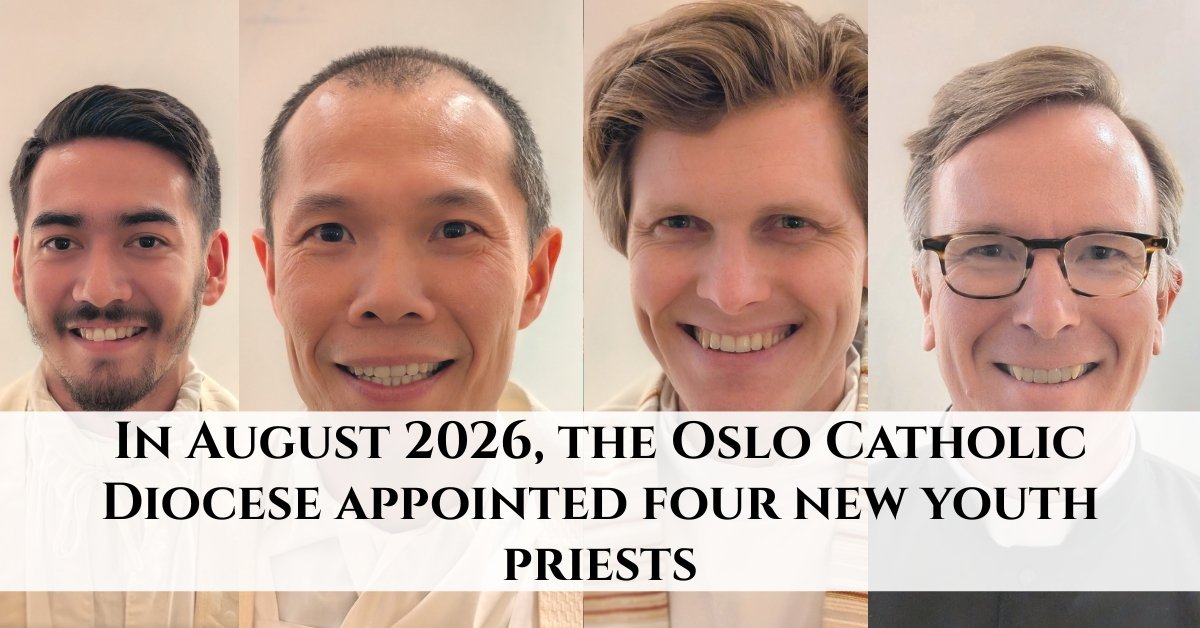
In August 2026, the Oslo Catholic Diocese appointed four new youth priests (ungdomsprester):
- Father Mathias Ledum
- Father Khiem Nguyen
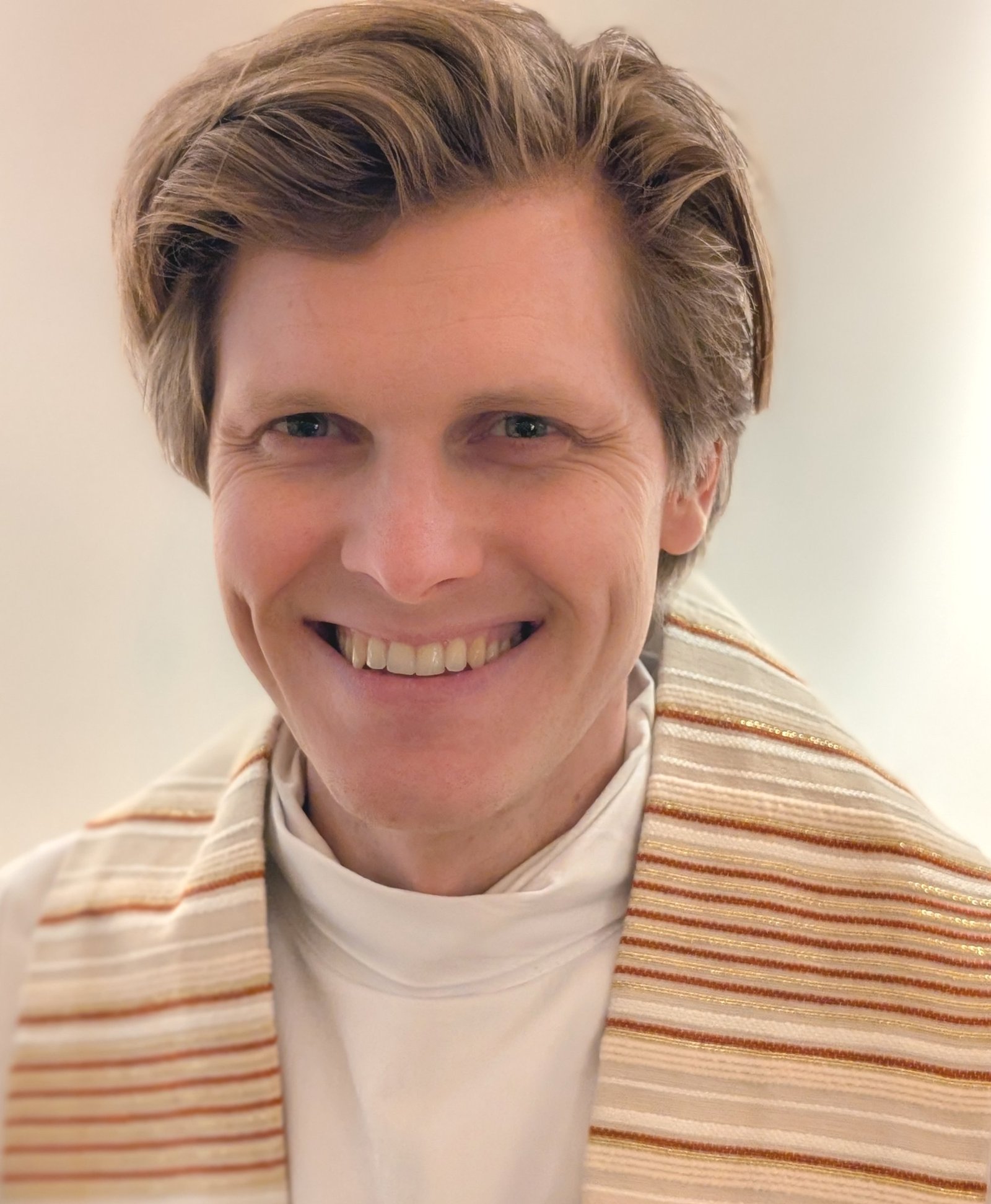
- Father Josef Ottersen
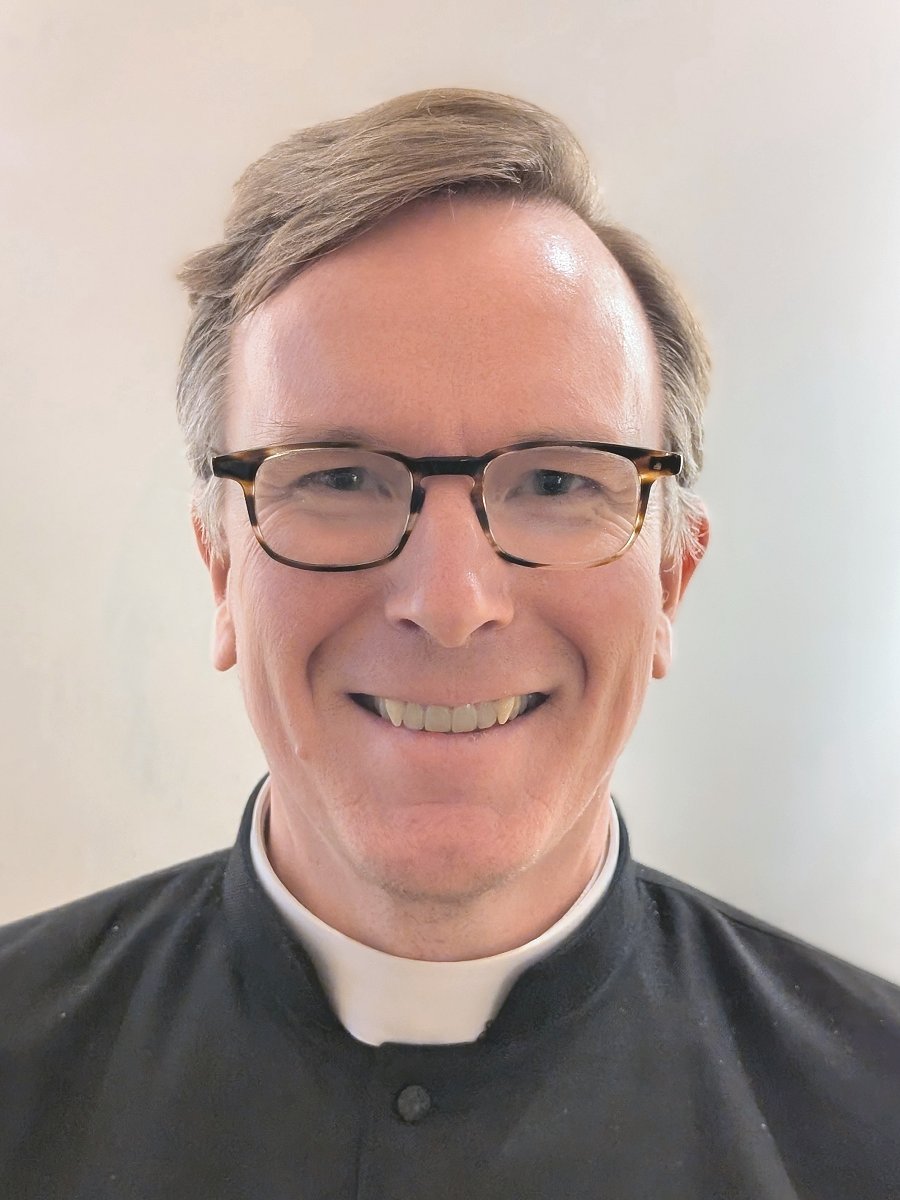
- Father Pål Bratbak (who also serves as the group’s leader)
Their mission is simple but important: to support parishes across Southern Norway in evangelizing children, teenagers, young adults, and students.
This is not a small administrative change. It is a concrete response to a real trend.


What the numbers show
The Catholic Church in Norway has grown significantly over the past decade. Membership rose from about 95,600 in 2015 to 168,220 in 2025 — an increase of 76%.
Much of this growth comes from immigration. Catholics from Poland, Vietnam, the Philippines, Lithuania, Latin America, and Africa have brought with them a living faith, regular Mass attendance, and a strong sense of Catholic identity. Their presence has made the Church larger, more visible, and more vibrant.
At the same time, something else is happening: more native Norwegians, particularly young men in their late teens and twenties, are choosing to convert. Faith courses in Oslo (required for those preparing to enter the Church) grew from around 80 participants in 2024 to over 107 in 2025. Priests across the country report a steady stream of young people seeking clarity, tradition, and a deeper spiritual life.
Why are young people coming?
The reasons are consistent:
- They are looking for clarity in a world that often feels uncertain and fluid.
- They want a faith that is solid, historical, and not constantly changing with cultural trends.
- Many are drawn to the beauty of the liturgy, the sacraments, and the sense of belonging to a universal Church.
- Some have discovered Catholicism through online content — YouTube videos, podcasts, and social media — and then taken the step of contacting a local parish.
- Others are reacting against what they experience as relativism and identity politics, seeking instead something that stands firm.
In short, they are looking for truth, meaning, and roots.
A quiet but important shift
This is not a mass revival measured in tens of thousands. The numbers of native converts are still relatively modest. But the direction is clear, and it is part of a wider pattern seen in several Western countries where young people — especially young men — are rediscovering traditional forms of Christianity.
Immigration has given the Catholic Church in Norway size and vitality.
Young Norwegian converts are now adding a new, native dimension to that growth.
The appointment of four dedicated youth priests shows that the Church sees this moment and is choosing to meet it with seriousness and hope.
For a small Church in a secular country, that is very good news.