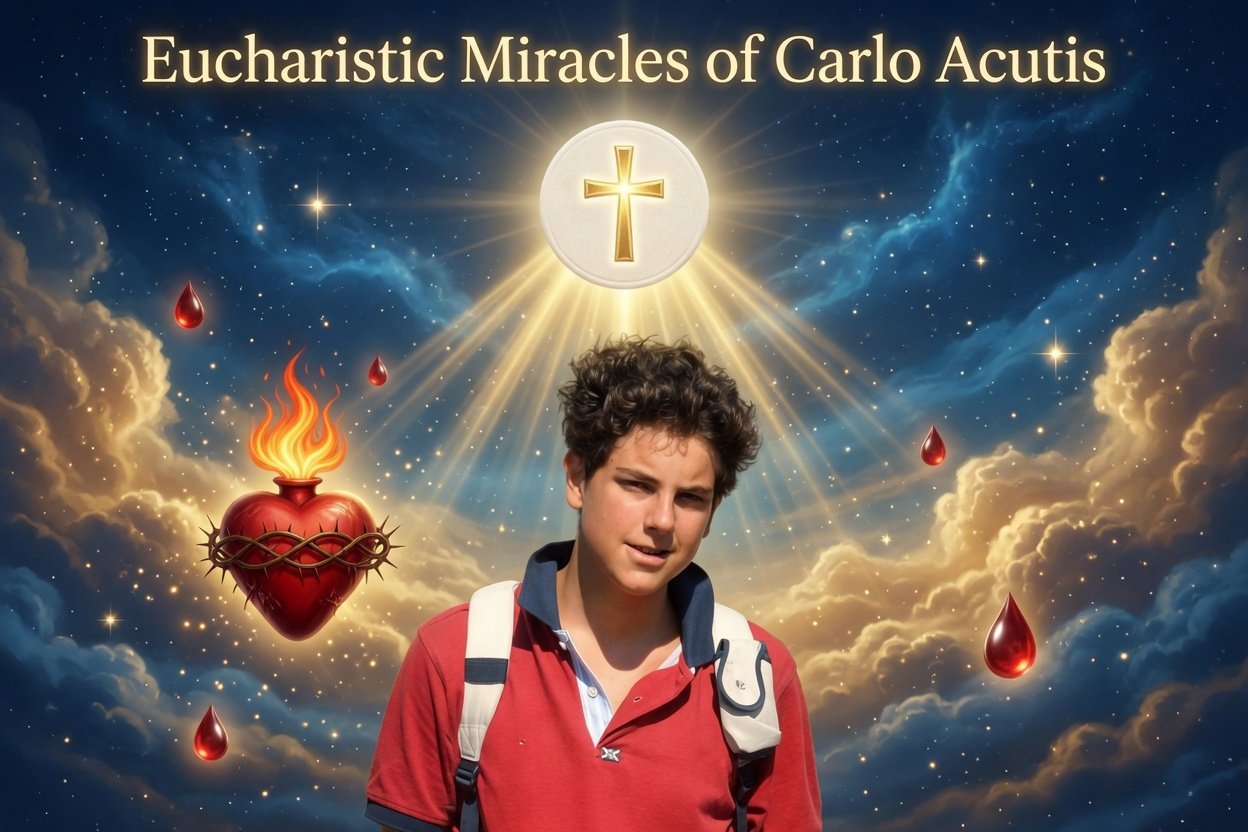
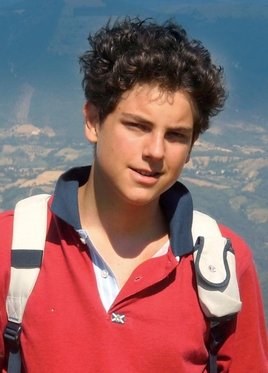
Carlo Acutis (1991–2006), the Italian teenager known for his deep faith, love of the Eucharist, and creation of a website documenting Eucharistic miracles, was beatified in 2020 and canonized as a saint on September 7, 2025. He is the first millennial saint. Two posthumous miracles attributed to his intercession were rigorously investigated and approved by the Vatican.
The Catholic Church’s process for verifying miracles in canonization cases is highly structured. It involves:
- Collecting extensive medical documentation (scans, tests, doctor reports).
- Review by a panel of independent medical experts (the Medical Council of the Dicastery for the Causes of Saints) to determine if the healing is scientifically inexplicable.
- Theological review to confirm the healing resulted from prayers specifically asking for the candidate’s intercession.
- Final approval by the Pope.
Only healings with no natural explanation, rapid and complete (or lasting) recovery, and clear links to prayer qualify. theguardian.com
First Miracle (Approved 2020 – Led to Beatification)
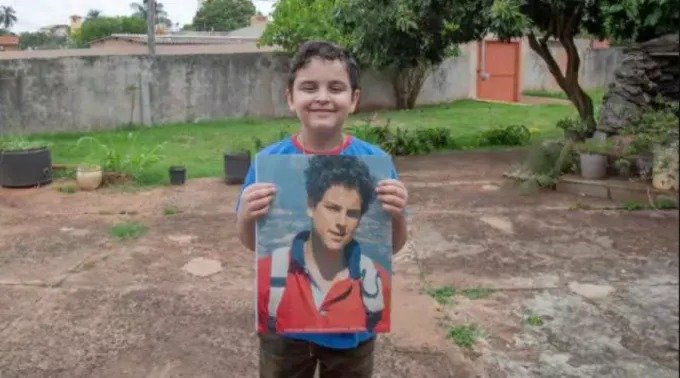
Recipient: Matheus Vianna, a Brazilian boy born in 2009 with a congenital annular pancreas (a rare malformation where pancreatic tissue encircles the duodenum, causing severe digestive blockage, constant vomiting, pain, and failure to thrive).
- By age ~3–4, he weighed only about 20 pounds (~9 kg), lived on a liquid diet (vitamins/protein shakes), and was not expected to live long.
- On October 12, 2013 (7th anniversary of Carlo’s death), his mother Luciana took him to a prayer service in Campo Grande, Brazil, with a relic (piece of clothing) of Carlo Acutis. She had prayed a novena beforehand.
- Matheus touched/kissed the relic and prayed simply: “I wish I could stop vomiting so much.”
- Healing was immediate. On the way home, he said he felt cured. He ate solid food (rice, beans, steak, French fries) without vomiting — his first full meal in years.
- Follow-up medical tests (ultrasounds, etc.) over subsequent years showed his pancreas had returned to normal function with no malformation. Doctors found no medical explanation for the sudden physiological change. ncregister.com
The Vatican’s Medical Council reviewed the case positively in 2019. Pope Francis approved it in February 2020. This was deemed medically inexplicable.
Second Miracle (Approved 2024 – Led to Canonization)
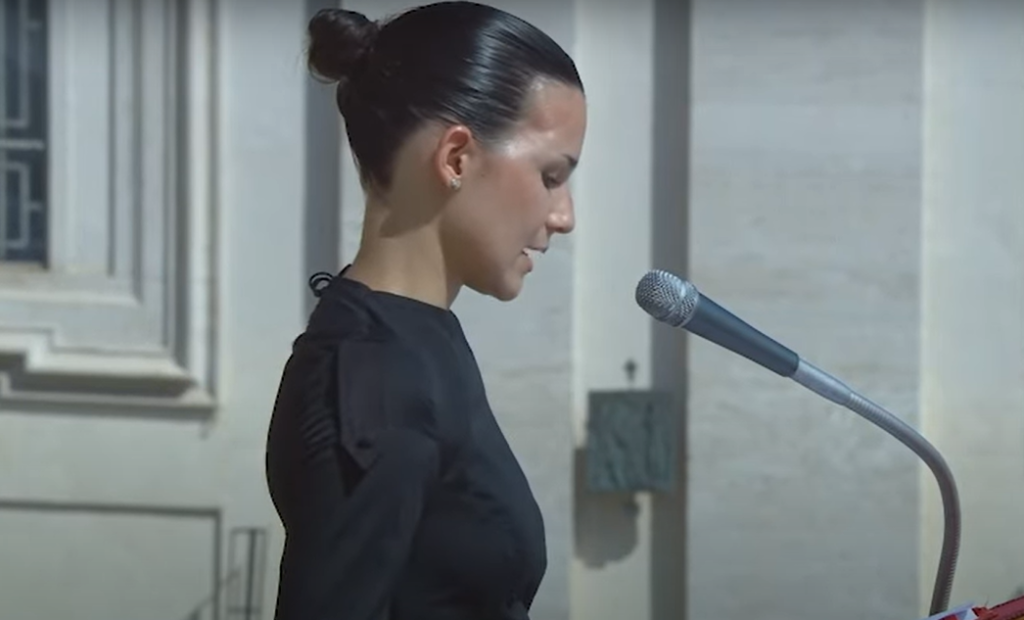
Recipient: Valeria Valverde (or Valeria Vargas Valverde), a young Costa Rican woman (~21 years old in 2022) studying in Florence, Italy.
- In early July 2022, she suffered a severe bicycle accident causing a serious traumatic brain injury with hemorrhage. She required emergency craniotomy surgery (removal of part of the skull, including the right occipital bone, to relieve pressure).
- Doctors gave her a very low chance of survival; she was in critical condition, on a ventilator.
- Her mother, Liliana, traveled to Carlo Acutis’s tomb in Assisi and prayed fervently for his intercession, leaving a letter.
- The same day (around July 9–10), Valeria began breathing independently. The next day, she regained movement in her upper limbs and partial speech.
- A CT scan about a week later (July 18) showed the brain hemorrhage and bruising had completely disappeared — contrary to expectations.
- She needed only about one week of rehabilitation and made a full (or near-full) recovery with minimal lasting effects. In September 2022, she visited Carlo’s tomb with her mother to give thanks.
The Vatican’s medical board reviewed the documentation and found no scientific explanation. Pope Francis approved it on May 23, 2024.
These cases follow the Church’s criteria: documented severe conditions, prayers directed to Carlo, rapid and lasting improvement without medical cause. Carlo’s own life — especially his devotion to the Eucharist — resonates with many, and he is often invoked as a patron for youth, tech, and the Eucharist.