Norway was a Catholic country for more than 500 years — from the arrival of Christianity until the 16th century.
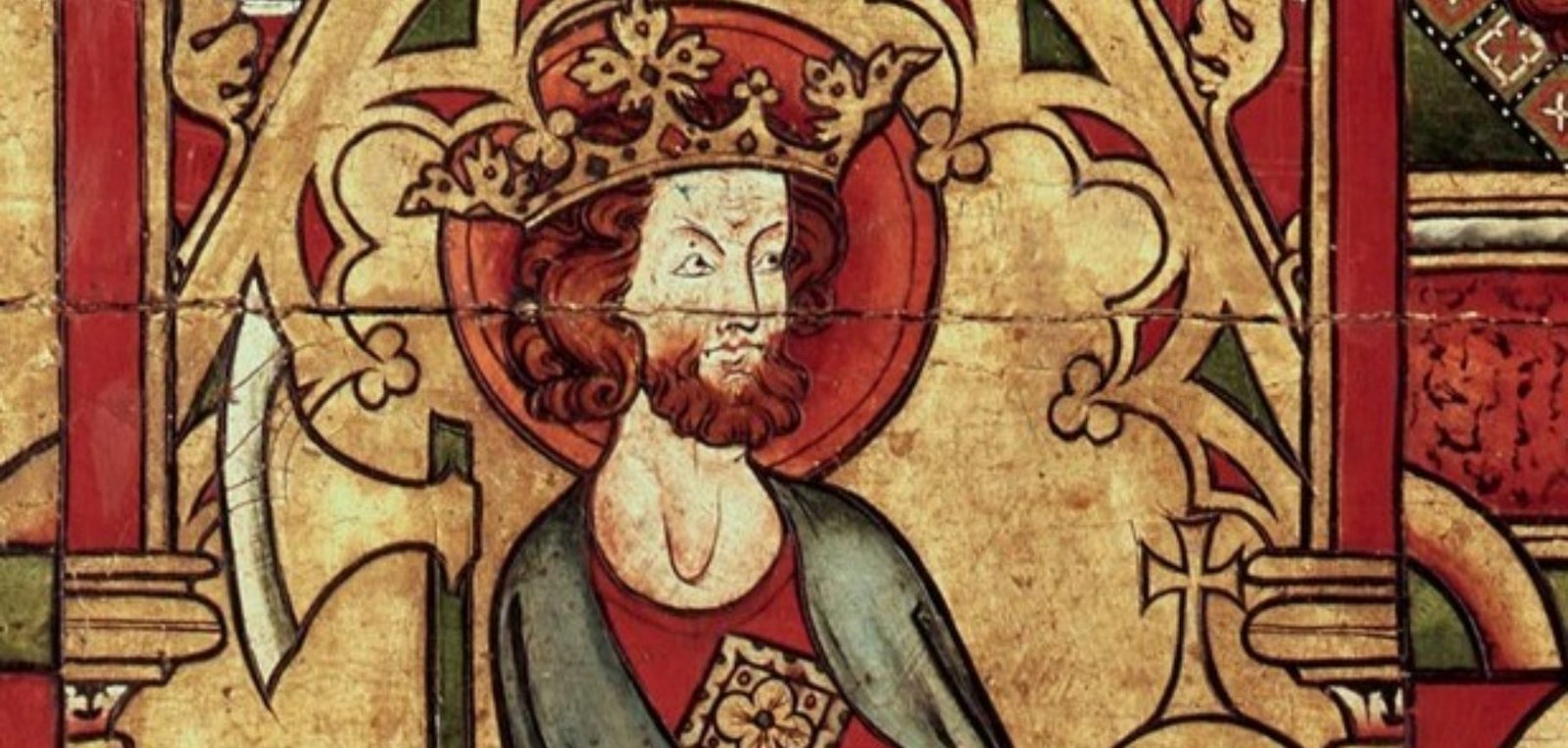
Christianity first reached Norway around the year 995–1030, especially through the efforts of kings Olaf Tryggvason and Olaf Haraldsson (later known as St. Olaf). By the second half of the 11th century, Norway had become a fully Christian kingdom.
The Catholic Era (c. 1050 – 1537)
For over five centuries, the Catholic faith shaped Norwegian society, culture, and spirituality. The Church was central to daily life, education, and law.
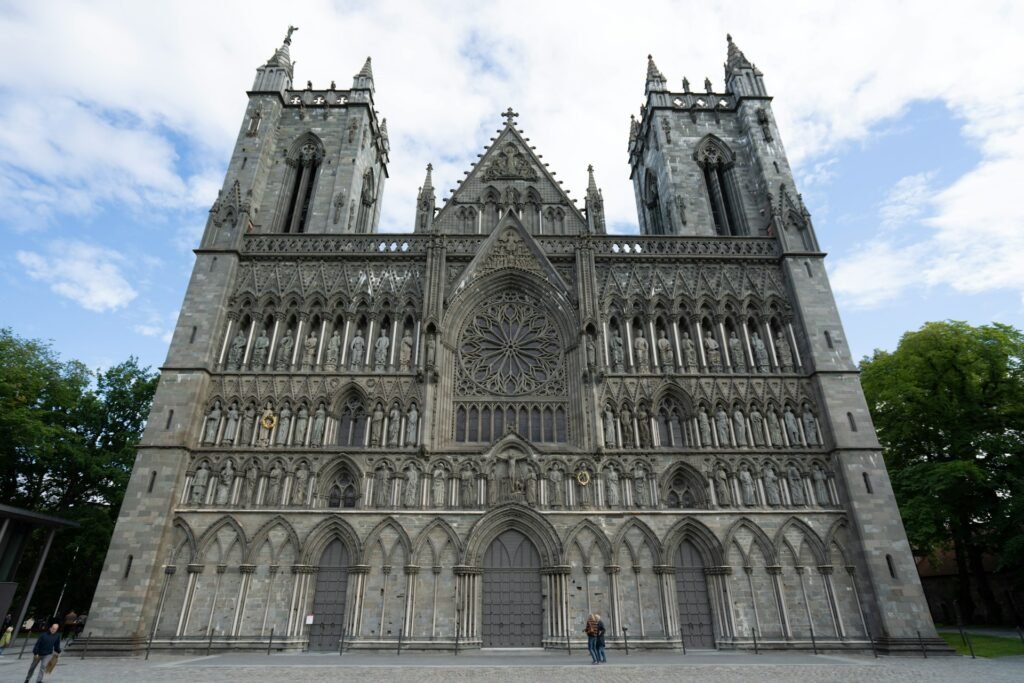
The spiritual heart of Catholic Norway was the Archdiocese of Nidaros (today’s Trondheim). The magnificent Nidaros Cathedral, built over the tomb of St. Olaf, became one of the most important pilgrimage sites in Northern Europe. Many monasteries were founded, and devotions to saints — especially St. Olaf, the eternal patron of Norway — were strong across the land.
Photo by Datingjungle, Nidaros Cathedral in Trondheim, Norway.
The Reformation (1537)
This long Catholic period came to an abrupt end in 1537. During the Protestant Reformation, King Christian III of Denmark-Norway imposed Lutheranism by force. Catholic bishops were arrested or exiled, monasteries were closed, and the celebration of Mass was forbidden. Norway lost its Catholic identity almost overnight and remained officially Lutheran for nearly 400 years.
A Living Heritage
Even today, traces of Norway’s Catholic past are visible in the country’s old stone churches, beautiful medieval art, and the continued veneration of St. Olaf. Although the Catholic community is small, it has been slowly growing again in modern times.
Norway’s Catholic history reminds us that the roots of the faith in this land run much deeper than many people realize.